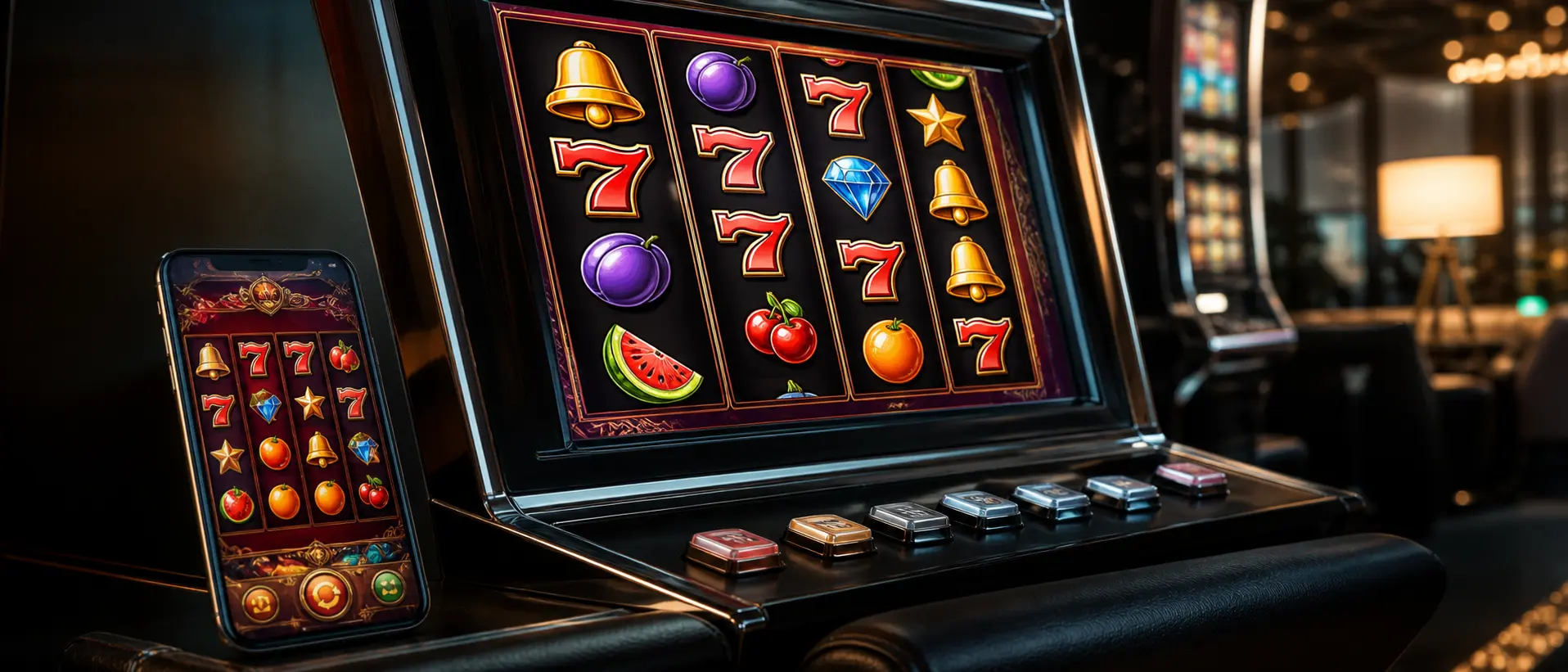
Read a card app before install when the reader wants a 52-card-deck game with a known publisher and a verifiable round log.
What separates two apps in this category
Single biggest differentiator
Read the publisher and the deck-rng source. Two 21 apps that share a publisher may still differ on the rng source.
Card apps cover teen patti, blackjack-style 21, casino hold'em and a few one-deck variants. The category is wider than the others because the round surface varies by app. The directory entry lists the publisher and the deck-RNG source where the developer publishes them. Where the developer is silent, the entry reads "not published".
The directory treats card-style apps as one decision-rule family. Empty sub-families are not published. The cards below cover the entries we have read on the developer page. New entries appear here as soon as the changelog is verified and the developer page is opened.
Editorial
How the directory treats card-style apps
The five sections below cover the editorial reading order: what the category is, how to read a version note, how to read the round surface, how to read the responsible-use surface, and how to choose an entry.
How a card app differs from a rummy app
A card app rewards a fixed hand ranking at the end of the round. A rummy app rewards a meld the reader builds during the round. The decision surface is the same in both (which card to draw), but the optimal play is different. A reader who treats a card app as a rummy app will misplay the discard.
Reading a publisher surface
Where the publisher is named on the developer page, the entry lists the publisher name. Where the publisher is a private entity (a one-person studio), the entry lists the studio handle and the verification email. The publisher surface is what lets a reader check whether the same deck-RNG source appears in two apps.
Version notes that matter on card apps
The version bumps that change the most on card apps are RNG-provider swaps and hand-ranker changes. A version that introduces a new hand ranker is a behaviour-positive change. A version that swaps the RNG provider is a verification-positive change. A version that renames a menu is neither.
What the round history tells a reader
Round history on card apps is short per round but rich per session. The directory lists whether the developer publishes a per-session log export, a per-round log export, or neither. A per-round export lets a reader verify the deck-RNG claim against the actual dealt hand.
Responsible-use surface on card apps
Per-day running total and per-session reminder are the two surfaces the developers in this category lean on. The directory lists whichever the developer has published. Where the developer is silent, the entry reads "not published".
When to read a card app before tapping install
Choose when the reader prefers hand-based rounds over reel or wheel mechanics. Look for a stated RNG provider and a public deck test page.
What separates two apps in this category
Single biggest differentiator
Card apps are the highest variance category in the directory because the round can last anywhere from two seconds to several minutes.
23 entries indexed. The cards below cover the entries we have read on the developer page. New entries will appear here as soon as the changelog is verified.
Comparison table
Card apps compared on version, Android requirement and source signal
The table is short on purpose. We compare only the fields the developer page has actually published.
App
Version
Android
First seen
Score
Verified
Entries
Apps read on the developer page
No entries have been verified yet. The category is listed because the editor has confirmed stable developer pages in this family; entries will appear as we finish reading them.